
AlgaePARC

Introduction
The potential of marine biomass has been increasingly discussed as a feedstock for biofuels. The advantages of microalgae production are clear: co-production of food and fuel at high productivities per land area (higher than terrestrial plants, about 10 times higher than that of palm oil and 30 times higher than that of rapeseed oil), with the possibility of using residual streams as a source of nutrients (N, P and CO2).

In order for microalgae to become a commercial feedstock for biofuels, economic feasibility still needs to be achieved. This can be done by decreasing the current price for microalgae production which implies technological development and the integration of different processes in order to use free nutrients from waste streams, and by increasing the total income by co-production of compounds with commercial value (bulk and fine chemicals, food and feed ingredients). In terms of separation of the different compounds from the biomass, technology still needs to be developed further and/or tested in the context of microalgae, and the entire process chain needs to be integrated.

There is currently a lack of knowledge about large- scale production of microalgae and a consequent need to perform applied research at a faster pace, in parallel to fundamental research. R&D at AlgaePARC is aimed to fill the gap between fundamental research on algae and full-scale algae production facilities. It is a joint initiative of BioProcess Engineering and Food & Biobased Research from Wageningen University and Reseach Centre .

Goals

The objective of AlgaePARC (Algae Production And Research Centre) is to develop knowledge, technology and process strategies for sustainable production of microalgae as feedstock for fuel, chemicals, food and feed at industrial scale.

Pilot plant
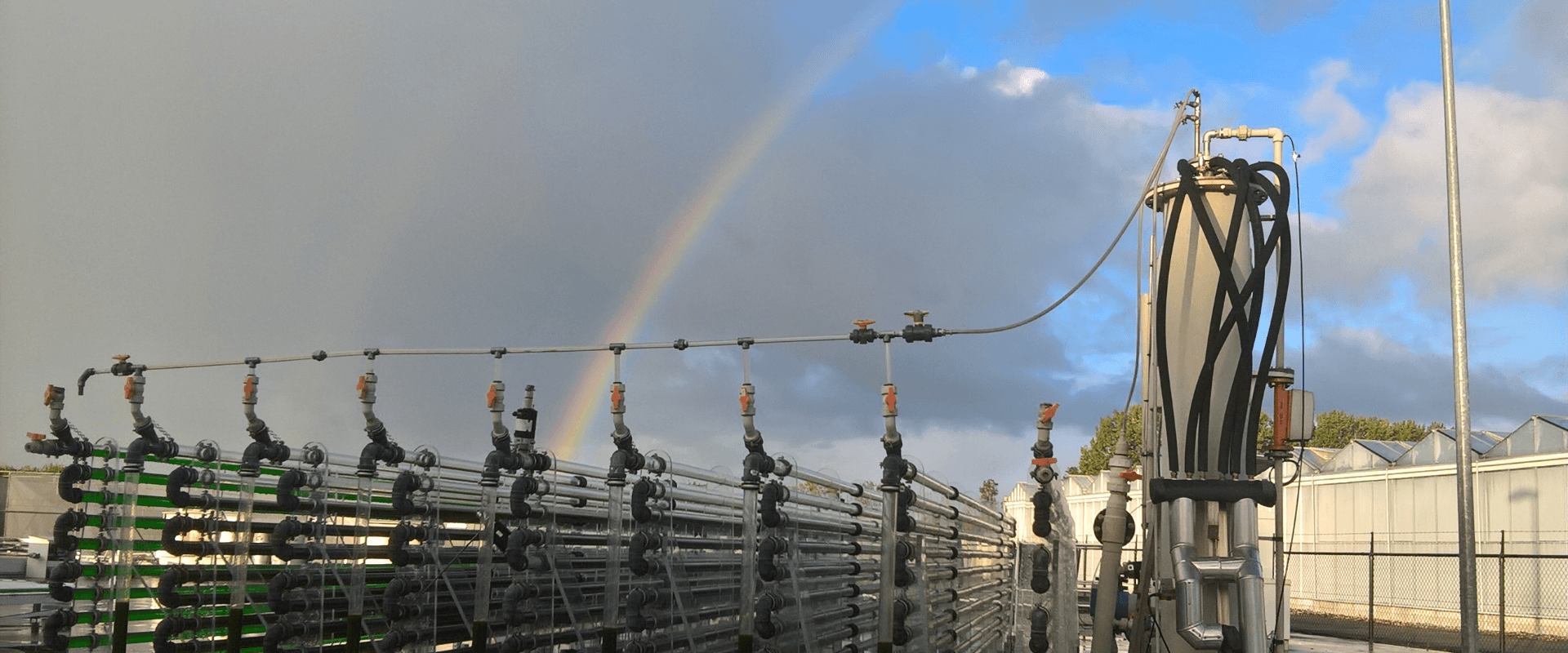
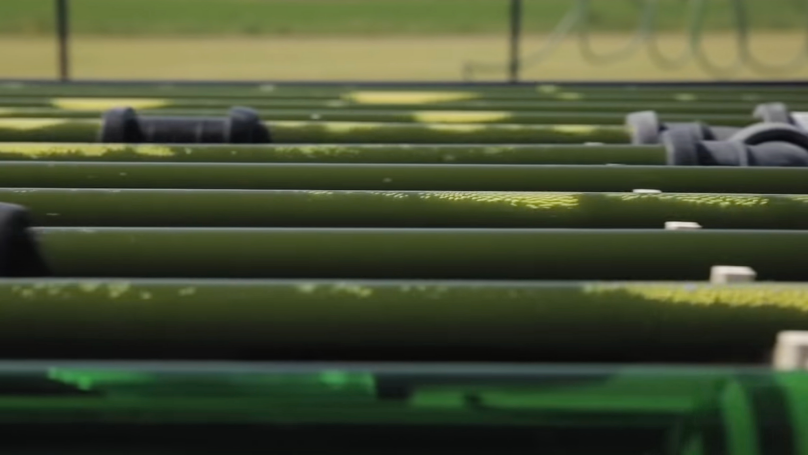
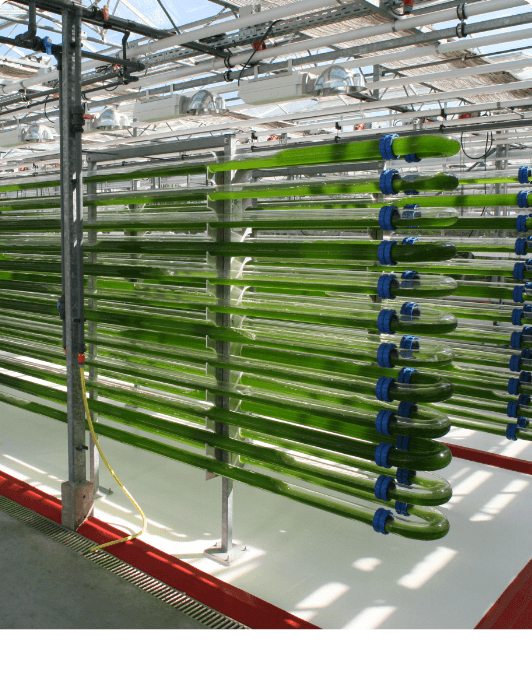
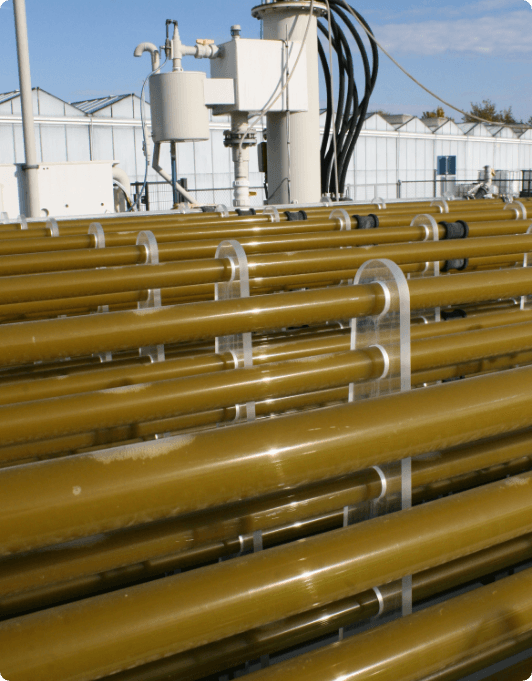
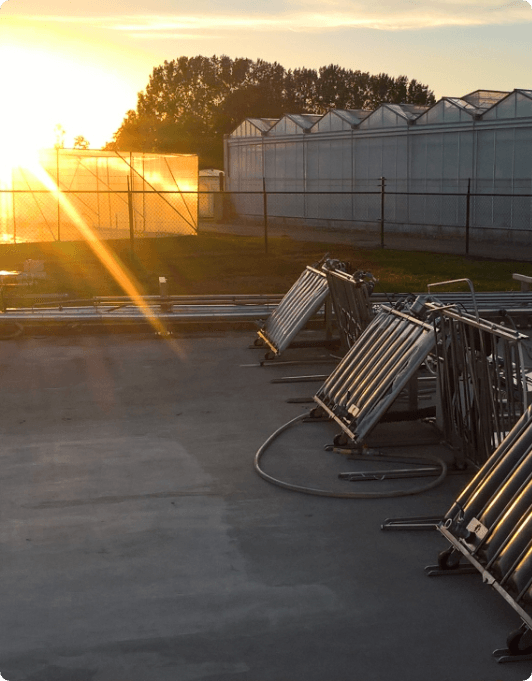
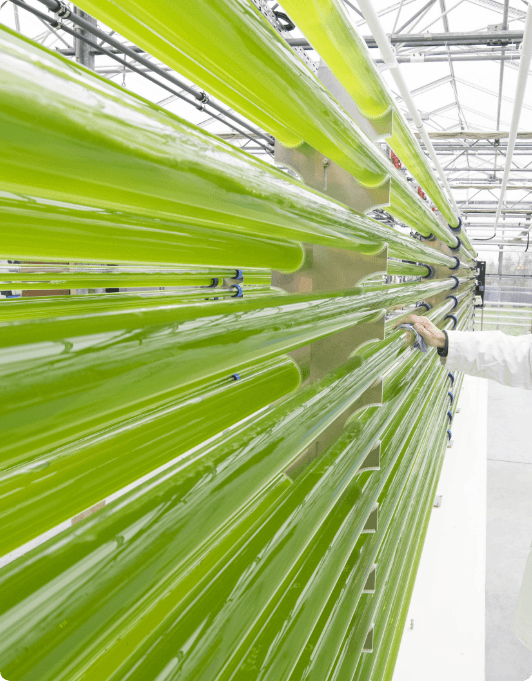
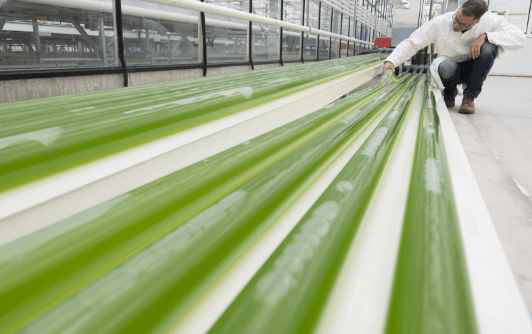
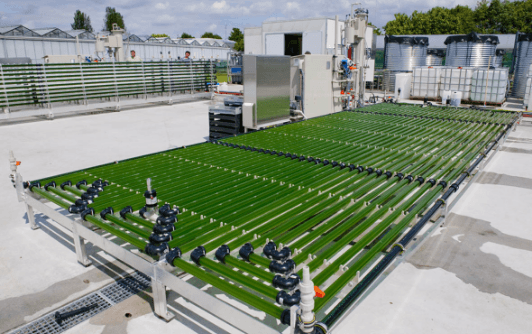
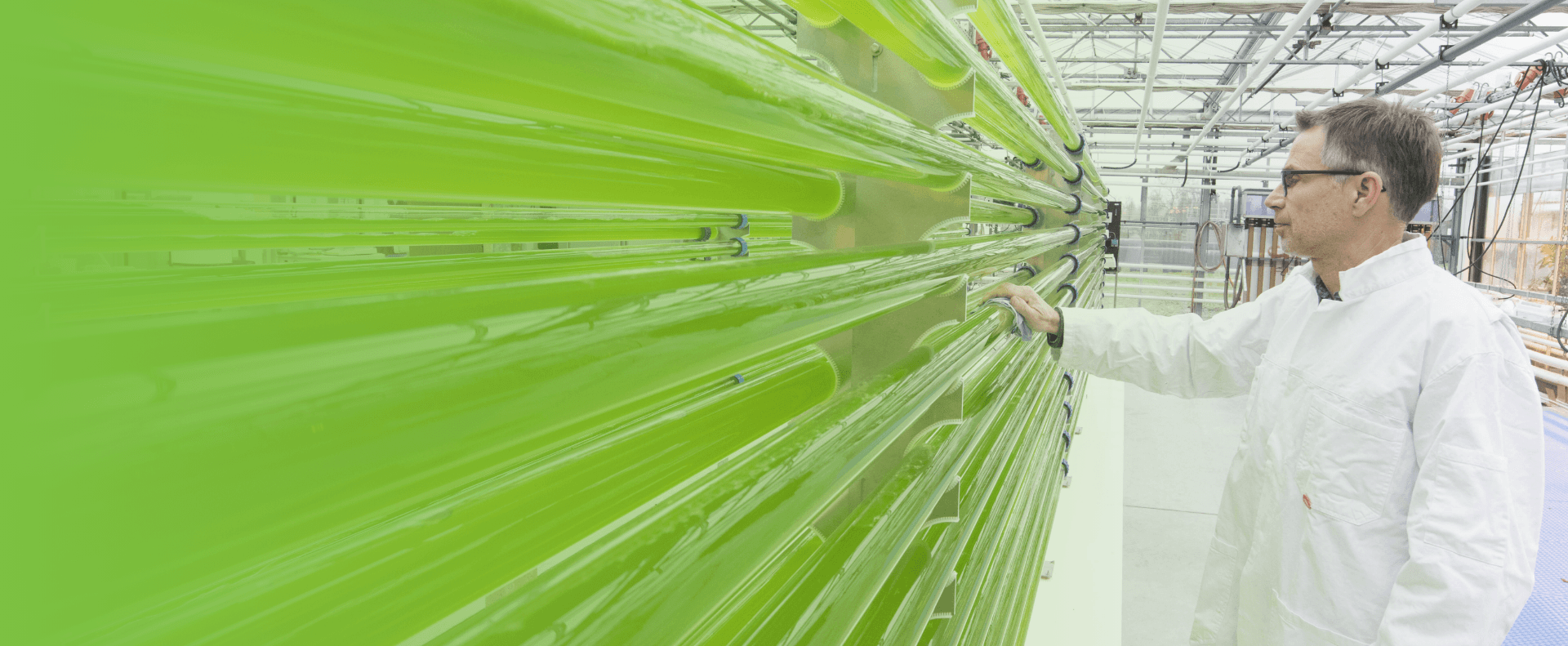
AlgaePARC is the first research centre in the world that allows comparison of different outdoor photobioreactor designs. The pilot facility comprises four large (24 m2) and three small (2.4 m2) photobioreactors. The systems will be run in parallel and compared on technical, economic and sustainability performance and results will be used to build up knowledge required for commercial production of microalgae for bulk products.
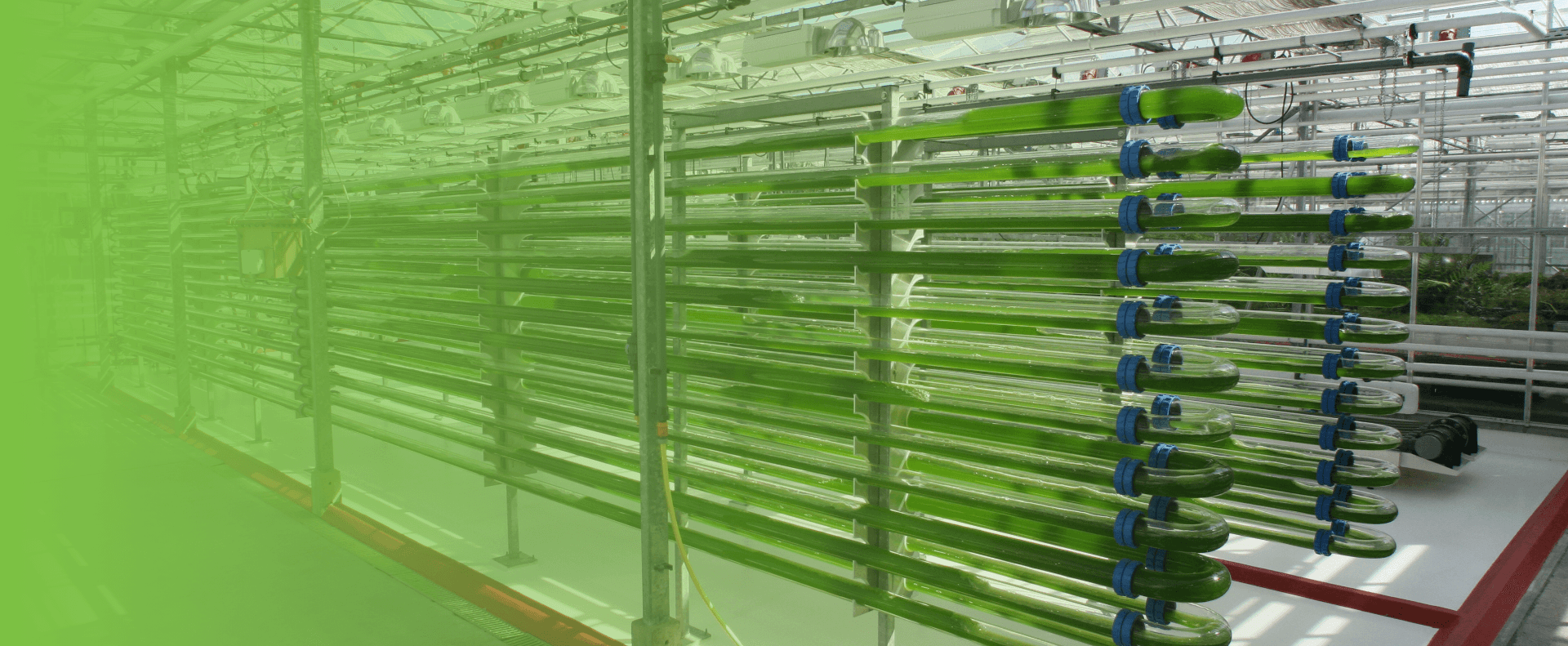
An overview of the photobioreactors constructed at AlgaePARC is shown below. They were chosen based on state-of-the-art technology and will allow us to study and overcome critical aspects for the successful operation and scale-up of photobioreactors, i.e. mass transfer, light supply and photosynthetic efficiency.

Overview AlgaepPARC

  
Print this page